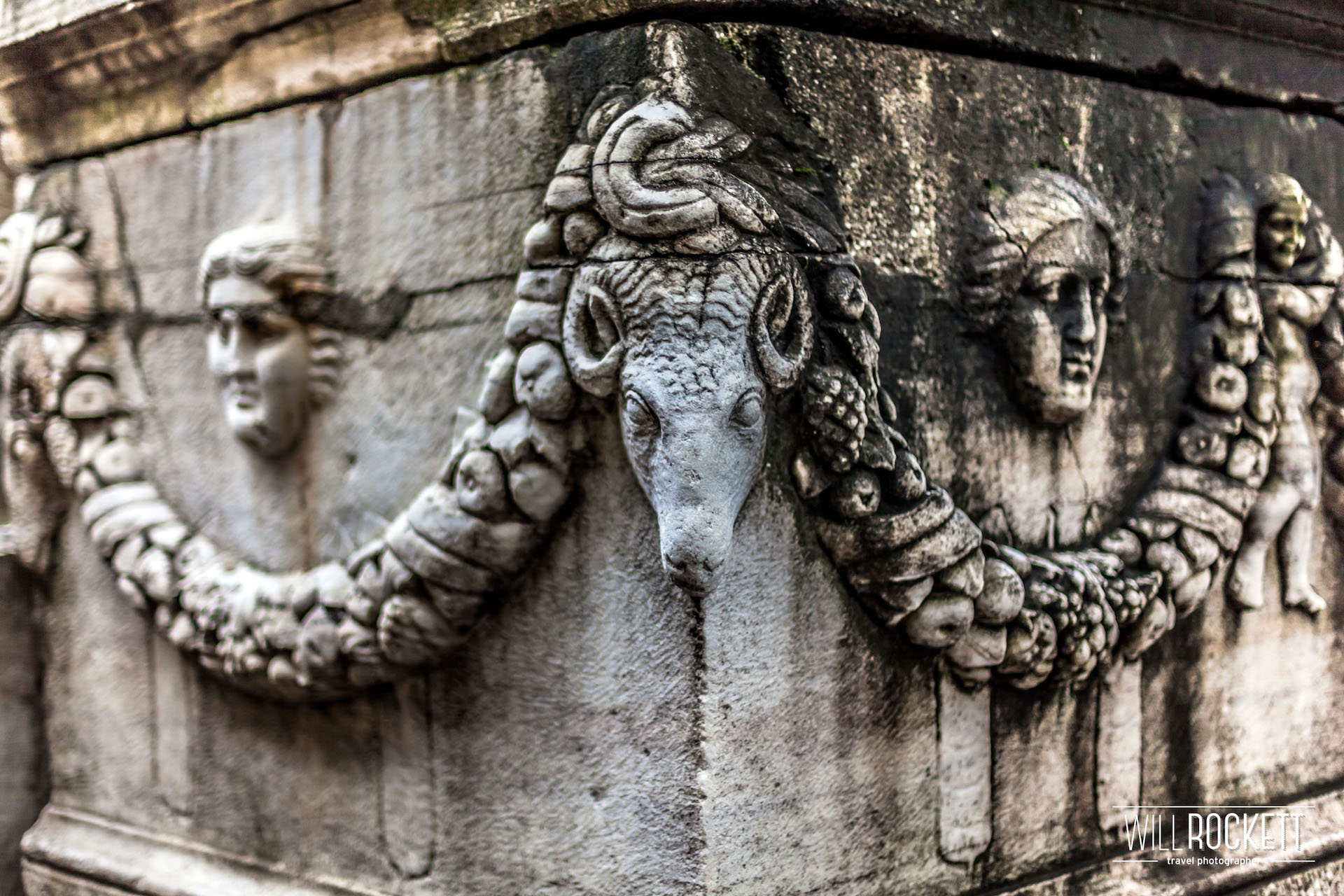
According to Pliny the Younger, the Lydians founded Thyatira under the name Pelopia. Archaeological evidence points to settlements as far back as 3000 B.C.E. The Seleucids renamed it Thyatira in 290 B.C.E. when they settled Macedonian soldiers there, and it later passed to Pergamum, which fortified it as a defense outpost on the Roman road connecting Sardis, Smyrna, and Magnesia. Thyatira's position as a midpoint between Pergamum and Laodicea made it an important interchange on the Roman road network. Its leading industries — bronzesmiths, wool workers, weavers, potters, and tanners — are attested on excavated coins. The city's chief deity was Apollo, son of Zeus, depicted on coins astride a horse and carrying a battle axe. Under Roman influence, emperor worship gradually replaced Apollo — though many Thyatirans simply identified the emperor as Apollo incarnate.
Thyatira in Christian History
The Apostle Paul's connection to Thyatira is indirect but significant. At Philippi, Paul met Lydia — a dealer in purple cloth, a Gentile who had already been drawn to Judaism, and a native of Thyatira. When Paul spoke, God opened her heart and she became the first recorded Christian convert in Europe (Acts 16:14–15). Through Lydia, Thyatira enters the New Testament story before Paul had any recorded ministry there — a reminder that the gospel often traveled ahead of the apostles through the lives of those they had already reached.
The words of the Son of God, who has eyes like a flame of fire, and whose feet are like burnished bronze. — Revelation 2:18
John's letter to Thyatira is his longest to any of the seven churches. The specific imagery is deliberate: "eyes like a flame of fire" and "feet like burnished bronze" — a direct challenge to Apollo, the sun god, and to the bronzesmiths whose guild was among the city's most powerful. Christ presents himself as the true lord over the city's chief deity and its dominant trade. The church is commended for its love, faith, service, and perseverance — and rebuked for tolerating a prophetess John calls Jezebel, whose teaching led believers into sexual immorality and the eating of food sacrificed to idols. By the early third century, according to the testimony of St. Epiphanius, nearly the whole of Thyatira had become Christian. The bishop of Thyatira attended both the Council of Nicaea in 325 and the Council of Ephesus in 431. Thyatira remains a Catholic see and a bishopric of the Eastern Orthodox Church to this day.
Written content courtesy of Ronnie Jones III and Will Rockett, featured in To the Saints in Asia Minor.