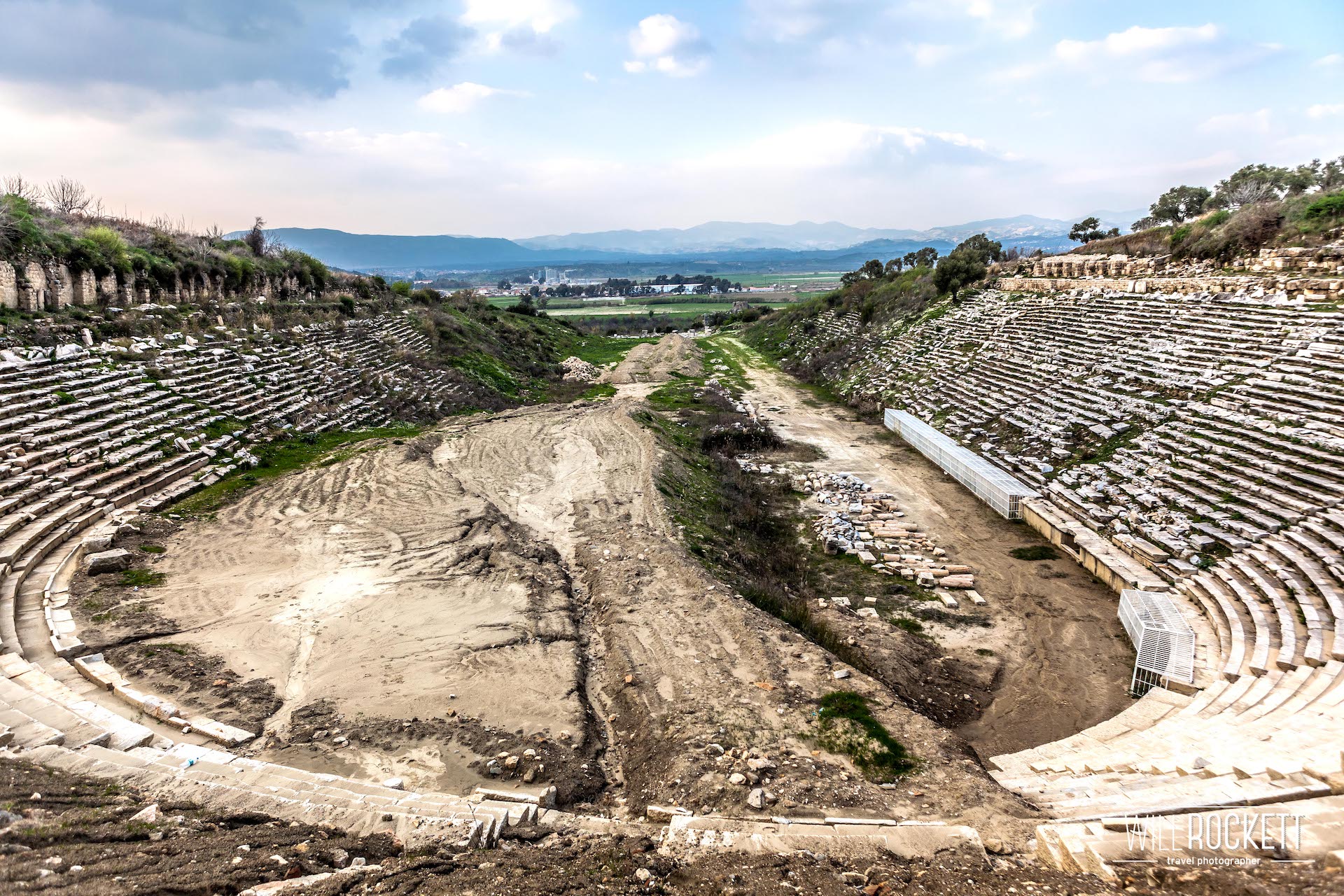
Magnesia ad Maeandrum was founded by Thessalian Magnetes — soldiers of the great Agamemnon — who followed the oracle at Delphi to a plot of land on a small tributary of the Maeander River, about twelve miles southeast of Ephesus. A revered city, Magnesia held governance over both Priene and Miletus and was sacked for the first time in 657 B.C.E., then restored with assistance from its neighbor and rival Ephesus.
Over the following centuries the city changed hands in a pattern familiar across Asia Minor: Persians, Spartans, Persians again, then Alexander the Great and his successors, then the Pergamene kingdom, and finally Rome — which granted the Magnesians a measure of independence in recognition of their loyalty during a regional rebellion. The city flourished under Roman patronage, and it was within this established, cosmopolitan city that the Christian gospel eventually arrived.
Magnesia in Christian History
The church in Magnesia most likely originated with students from Paul's school of Tyrannus in Ephesus. Paul's two-year teaching ministry there sent evangelists and church planters throughout the Aegean region, and Magnesia — barely twelve miles away — would have been a natural early destination.
Around 108 A.D., Ignatius of Antioch, being transported to Rome for martyrdom, called upon church leaders from across Asia Minor to meet him in Smyrna. The young bishop of Magnesia, Damas, sent delegates and possibly came himself. Ignatius wrote a letter to the Magnesians in response — one of his seven surviving letters — instructing the congregation not to presume upon the youth of their bishop, urging unity, warning against Judaizing tendencies, and calling them to submit to the church's offices.
Having been informed of your godly love, so well-ordered, I rejoiced greatly, and determined to commune with you in the faith of Jesus Christ. — Ignatius, Letter to the Magnesians
That a community young enough to have a youthful bishop had already developed the institutional structure of bishop, elders, and deacons speaks to the speed with which the Pauline mission planted durable churches. The Magnesian bishop Eusebius later attended the Third Ecumenical Council at Ephesus in 431 A.D., where the Nicene Creed was upheld against the Nestorian challenge. The small city that received the gospel from Paul's school continued to send representatives to the councils where the faith was defined and defended.
Written content courtesy of Ronnie Jones III and Will Rockett, featured in To the Saints in Asia Minor.